

Constructing a house is often one of the the most important noteworthy projects in a individual's journey. It symbolizes not just a financial outlay, but also a intensely personal venture that culminates in a place tailored to your loved ones' needs and dreams. From imagining your dream design to selecting finishes that exhibit your aesthetic, each step plays a key role in the complete effectiveness of your building project.
Nonetheless, dealing with the challenges of building a house can be daunting. With numerous choices to make and potential hazards to avoid, having a solid understanding of the procedure is crucial. In this piece, we will explore critical guidelines that can help you keep everything in order, keep within your budget, and ultimately transform your dream into a reality. Whether you are a first-time builder or wanting to refine your approach, these tips will provide useful advice for a seamless and effective development experience.
Establishing Your Budget
Before you jump into building a house, it is crucial to set a defined budget. Begin by researching the complete costs involved, such as land, materials, labor, permits, and any expenses. A well-defined budget will act as a guide, helping you make wise decisions throughout the building process and preventing any surprising financial setbacks.
When determining your budget, consider setting aside a contingency fund for unexpected expenses that may arise during construction. Usually, putting aside around 10 to twenty percent of your total budget for unexpected costs can help cover unexpected costs like delays, design changes, or price fluctuations in materials. This not only safeguards your finances but also gives you confidence as you navigate the construction process.
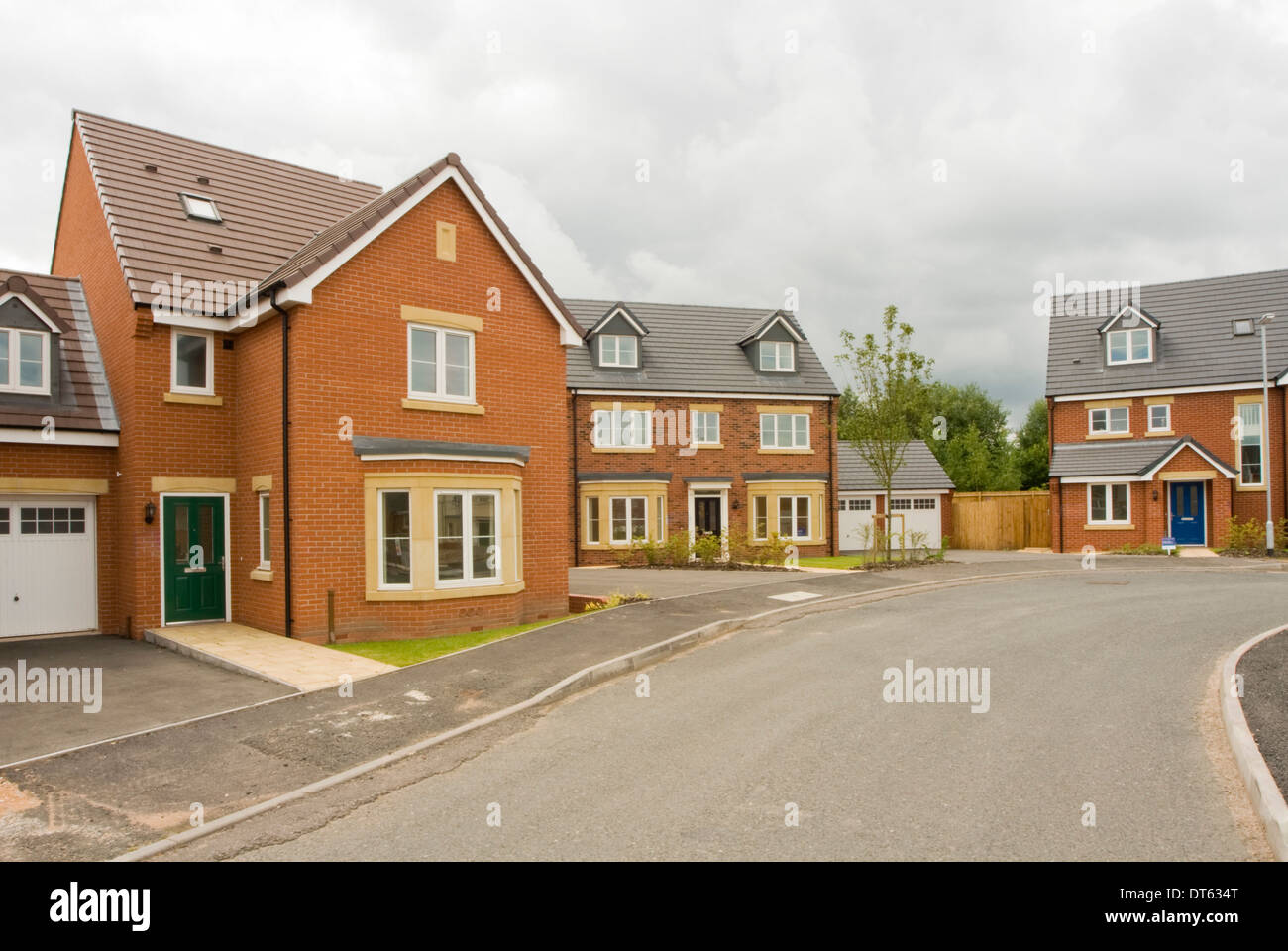
Additionally, keep in mind the importance of ranking your spending. Identify what features are necessary for your new home and which aspects can be adjusted later. By distinguishing between needs and wants, you can allocate funds efficiently, making sure that you stay within your budget while still constructing the house of your desires.
Opting for the Ideal Site
Opting for the ideal location is among the most crucial choices when constructing a house. The site of your new house will not only affect your daily lifestyle but also affect the long-term worth of your investment. Think about aspects such as closeness to work, educational institutions, hospitals, and shopping centers. A accessible site can greatly enhance your quality of living and ensure that necessary services are easily accessible.
The local area is equally important. Take into account the neighborhood characteristics, such as security, neighborly atmosphere, and amenities. https://dominspiracja.pl and the overall reputation of the area. Additionally, investigate future developments in the area, as these can impact your home’s worth over time. A harmonious combination of local services, parks, and recreational areas can add to a more enjoyable quality of life.
Finally, it's crucial to assess the land itself. Consider the landform, soil quality, and drainage of the property. Undeveloped land may come with issues that could influence construction costs and schedules. Understanding zoning regulations and limitations in your preferred area is also vital. By meticulously evaluating these factors, you can ensure that the site you choose matches with your vision for your future house.
Choosing a Builder
Selecting the appropriate contractor is a vital aspect when building a house. Start by conducting thorough investigation and collecting recommendations from relatives, and internet reviews. Look for builders with strong records and expertise in building homes similar to what you envision. Look over their work samples and past projects to evaluate the quality of their work and ensure that their aesthetic aligns with your preferences.
Once you have a shortlist of potential contractors, schedule meetings to discuss your plans in detail. Observe their communication style, reaction time, and openness to your ideas and worries. A contractor who values clear communication will facilitate smooth the process and tackle any issues effectively. Ask about their schedule, payment structure, and how they manage unexpected difficulties that may arise during the building process.
At last, confirm their qualifications, such as permits and coverage, to ensure they meet regulatory standards and are stable. https://cardeza.pl out reviews or testimonials from previous clients to get a sense of their dependability and workmanship. Making an informed decision at this stage will set the foundation for a successful and enjoyable home construction experience.
Creating Your Home
Designing your home is a crucial part in the building process that sets the foundation for all that follows. It is crucial to consider your lifestyle, requirements, and wants when conceptualizing your environment. Think about how many sleeping areas and bathrooms you require, the size of the kitchen, and the type of social spaces that will most accommodate your family dynamics. These decisions will influence the complete layout and functionality of your home.
Next, consider the architectural style that appeals with you. From modern and sleek to traditional and comfortable, your home's design should reflect your personality and taste. Explore different styles, designs, and trends to discover what inspires you. Collaborating with an architect or designer can bring your ideas to life while ensuring that the building meets codes and local codes.
Finally, do not forget the importance of natural light and outside areas in your design. Thoughtfully placed https://wzaciszudomu.pl , roof windows, and outdoor patios can improve your quality of life. Adding these elements enhances appearance and creates a healthier, more enjoyable environment. Finding harmony between practicality and aesthetics in your project will lead to a successful building project and in the end a home that you will love for ages to come.
Navigating Licenses and Rules
When erecting a dwelling, one of the initial and most essential steps is to comprehend the permits and regulations that relate to your specific area. Different locations have diverse requirements that govern construction, designed at promoting safety, environmental protection, and community norms. Start by checking out your local government office or website to collect information about zoning regulations, building codes, and inspection requirements that may impact your construction endeavor.
Once you have a clear comprehension of the requirements, you have to get the essential permits before construction begins. This often entails submitting thorough plans, which may need to be reviewed by engineers or structural professionals. Be willing for potential changes, as officials may request adjustments to align with legal standards. It is essential to remain organized and manage deadlines to avoid setbacks in your construction timeline.
In conclusion, having open contact with local regulators throughout the development process is vital. Regular reviews may be required at different stages of the construction, and remaining compliant with their directives is critical to prevent sanctions or work stoppages. Establishing a good working relationship with building officials can also help navigate you through surprising problems that may emerge during the construction of your home.
Managing the Construction Project
Directing the construction project effectively is essential to making sure your construction runs smoothly and stays on track. Establishing a specific timeline at the start helps in monitoring progress and handling any setbacks quickly. Regular communication with your contractor and subcontractors is essential for keeping the team on the same track regarding expectations and responsibilities. Employ project management tools to track tasks and deadlines, which aids in timely decision-making and can stop costly setbacks.
As the construction advances, it is critical to conduct regular site visits to make sure that the work meets your standards and adheres to local building codes. Being on-site also allows you to assess the quality of materials and workmanship, enabling you to address any issues before they become major problems. Recording your observations and maintaining an open conversation with the workers lays the foundation for a productive working relationship and eventually leads to a more satisfactory end product.
Lastly, managing the construction finances is crucial to preventing overruns. This means closely monitoring expenses and being prepared for unexpected costs that may arise during the construction process. Maintaining a contingency fund can provide extra security and peace of mind. By staying organized and forward-thinking about both the schedule and financial plan, you can handle challenges effectively and keep your focus on the thrilling journey of constructing a home.
Finalizing Your Relocation
As you approach the final stages of constructing a property, it is essential to focus on the details that will make your fresh home truly yours. Start by carrying out a thorough inspection with your construction team to ensure that all elements of construction meet your standards. Check for any leftover items or finishing touches that need to be completed, and verify that all utilities, such as water and wiring, are functioning correctly. This is also a great time to discuss guarantee details and maintenance schedules for your upcoming home.
Then, you will need to organize your move strategically. Create a plan that includes getting things ready, hiring movers, and setting up utilities in your newly acquired home. Think about marking boxes and creating an inventory list, as this will significantly ease the unpacking process. Additionally, organize the important items separately to guarantee you have all essentials for the early few days after moving in, such as cooking supplies, linens, and personal essentials.
At last, as you settle into your recently built space, take the time to personalize your home. Start by making it comfortable and inviting, adding your preferred colors, furniture, and decorations. This period is beyond about moving; it is an opportunity to create a sense of belonging. Savor the journey of changing your recently constructed house into a inviting and friendly home.